
Office Location
608 West 12th Street, Suite B Austin, TX 78701
legalassistant@wm-attorneys.com 512-369-3737 get direction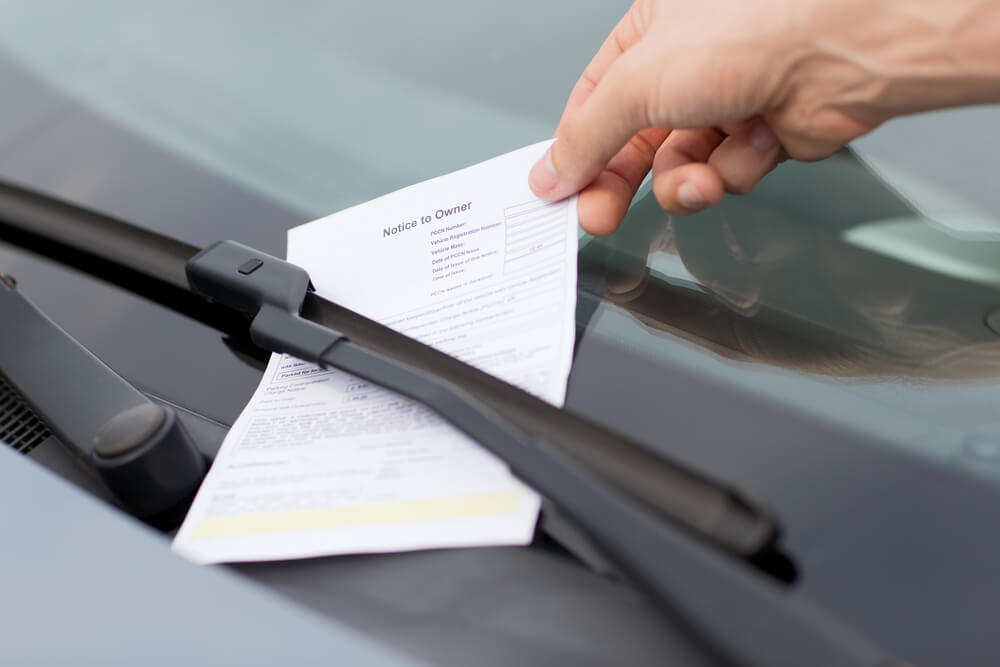
If you get stopped and ticketed while driving, you won’t violate the terms of your probation after committing a felony. However, committing any crimes, such as reckless driving, DWI, or burglary, can get you into hot water. In some situations, your probation might be revoked, and you’ll have to go to jail. This is why it’s important to seek legal guidance before and during the probationary period. Know your rights so you can comply and stay out of further trouble.
Probation is defined as a sentencing alternative to incarceration. In turn, the probationer agrees to follow specific conditions that are ordered by the court. The type of probation depends on the seriousness of an offense or whether it was a misdemeanor or felony.
Sometimes, people confuse probation with parole, but the two terms define different activities. A parolee serves their sentence in the community after being released early from prison following a parole board review. Therefore, a parolee may have to return to prison if they violate the conditions of their parole.
On the other hand, probation describes offenders who are convicted of an offense who are serving a suspended prison sentence. The court is more likely to sentence you to probation if the judge finds that your involvement in the crime was the result of coercion or a threat.
For instance, you may receive probation if the victim provoked you into committing a crime.
If you’re convicted of a felony, the court may order formal probation and leave supervision to a probation officer or probation services agency. This probationary period may last from three to five years.
While getting a traffic ticket is not included in the list of probation violations, the following activities can get you into trouble:
If you allegedly violate the terms of your probation, the probation agency that supervises your probation must decide on your punishment. They may issue a warning or a warrant for your arrest. To make a determination, the agency will look at the exact term that was violated and its severity. It will also review any previous infractions in relation to your probation.
In general, courts tend to be more lenient with technical violations related to reporting or drug possession and use. The consequences are typically more severe if a new criminal arrest and charge is involved.
If you are facing the revocation of your probation or you violated your probation, talk to an attorney as soon as possible. They can serve as your legal representative and help you achieve a better outcome in your case.
Indeed, the most frequent reason for violating probation occurs when an individual is charged with either a misdemeanor or a felony. Even if you’re apprehended and not found guilty, you might breach specific terms of your probation, depending on the details of your case.
If you re-offend or get charged with a new crime, you’ll generally have to appear before the same judge who granted your probation. Therefore, it’s essential to reach out to an attorney and secure bail as soon as possible.
Another way you can face difficulties during probation or even end up in jail is by neglecting to report to your probation officer.
Such instances usually occur when a person fears they are unable to fulfill their probation requirements. However, avoiding your probation officer will only exacerbate the issue. If you miss three consecutive appointments, the court will typically issue a warrant for your arrest.
Missing a few months of reporting often results in sanctions – like spending time in jail over the weekend. In some cases, the judge may modify the probation terms, requiring more frequent reporting.
Another action that can adversely impact your probation is testing positive for illicit drug use. Even if it’s marijuana – still illegal in Texas – you could face incarceration.
A probation officer may overlook one positive test for marijuana, but they cannot disregard repeated violations. The courts do not consider marijuana use as harmless.
If you test positive for drug use, mandatory counseling might be imposed. Some offenders are required to attend NA meetings or, in severe cases, enter a treatment program.
If you have been convicted of a crime and are serving probation, you may have questions about a violation. Whether you’re on probation or are facing a criminal charge in Texas, contact David D. White, PLLC – your go-to criminal defense law firm in the Lone Star State.
Have you ever heard someone say they are going to "press charges" against someone else? It's a phrase that we often come across in movies or TV shows, but what does it mean in the legal world? In this blog post, w...
A minor who buys, attempts to purchase, or drinks alcohol may face some large fines and possibly jail time for a third offense. Anyone facing these allegations needs help from an Austin criminal defense attorney r...
The state of Texas has recently experienced a surge of conspiracy charges - charges that have created shockwaves within the state’s legal system. For example, in July 2023, 22 people pled guilty for their r...
608 West 12th Street, Suite B Austin, TX 78701
legalassistant@wm-attorneys.com 512-369-3737 get direction