
Office Location
608 West 12th Street, Suite B Austin, TX 78701
legalassistant@wm-attorneys.com 512-369-3737 get direction
If you live in Texas and want to drink alcohol, you legally have to be 21 to enjoy the privilege. A minor who buys alcohol, tries to purchase alcohol, possesses or consumes alcoholic beverages, or has alcohol in their system when driving can face a Class C Misdemeanor charge. This also holds if a minor misrepresents their age to buy alcohol or is publicly intoxicated.
If you are arrested for any type of underage alcohol-related offense in the Austin area, you need the right criminal defense attorney to handle your case immediately.
The legal drinking age in Texas has undergone several changes in response to societal concerns, federal regulations, and efforts to curb alcohol-related accidents among young adults. The evolution of the legal drinking age in Texas reflects a broader national trend that has shaped alcohol consumption laws across the United States.
While the legal drinking age in Texas has settled at 21 under federal law, debates continue regarding the effectiveness and implications of this policy. Some argue that the legal drinking age should be lowered to reduce risky behavior associated with underage drinking, while others emphasize the importance of protecting young adults from the potential dangers of alcohol consumption before reaching a certain level of maturity.
However, despite debates and opposing opinions, the legal drinking age is 21 in Texas. Whether you agree with it or not, people under 21 can be arrested for many different alcohol-related offenses. Anyone in this position should speak with a criminal defense lawyer as soon as possible.
If an underage drinker is convicted, they may face the following punishments:
If a teen is 17 or older and they are convicted a third time, they face the payment of a fine from $250 to $2,000, jail time up to 180 days, or both, including an automatic suspension of their driver’s license.
Teens with prior alcohol-related convictions typically will face suspension of their driver’s license for one year if they refuse to attend alcohol awareness training.
If you’re of legal drinking age, you can also face a stiff penalty for giving alcoholic drinks to minors. This is considered a Class A misdemeanor which is punished by a fine of up to $4,000 or incarceration of up to a year. You may also have an automatic suspension of your driver’s license for 180 days.
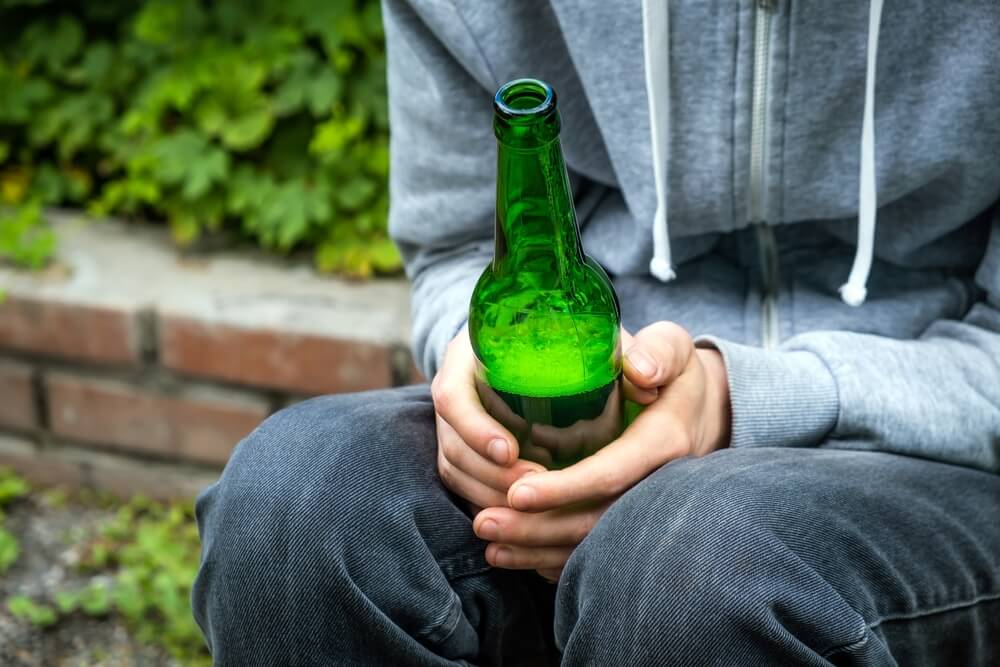
People who are of legal drinking age, other than a guardian or parent, can be held liable for damages if they cause intoxication of a minor and knowingly allow or provide alcoholic beverages in an establishment they own or rent.
Adults are considered to be per se intoxicated when they have a blood alcohol content (BAC) of 0.08 percent or higher, and they can be arrested for driving while intoxicated (DWI). However, like many states, Texas follows a Zero Tolerance Law when it comes to underage drinking and driving. This means it is unlawful for a person under the legal drinking age to operate a motor vehicle or watercraft with any detectable amount of alcohol present.
Underage DUI (driving under the influence) involves operating a motor vehicle while under the influence of alcohol or drugs by individuals under the legal drinking age of 21. Underage drivers do not have to be over the legal limit of 0.08 percent BAC – or even anywhere close – to be charged with DUI.
For individuals under the age of 21, the legal blood alcohol concentration (BAC) limit is set at 0.00%. This means that any detectable amount of alcohol in their system can result in legal consequences. Texas law holds underage drivers to a stricter standard, and even cough syrup or a sip of alcohol can be enough to warrant an arrest if any BAC registers.
The penalties for underage DUI in Texas can be severe and can impact various aspects of a young individual’s life:
Anyone facing underage DUI charges has the right to legal representation and should explore potential defenses with the assistance of our experienced attorney. Defenses might include challenging the accuracy of testing equipment, questioning the legality of the traffic stop, or addressing procedural errors during the arrest process.
Underage alcohol offenses in Texas carry serious legal consequences. You should not receive a wrongful or overly harsh result that affects your future, just as your journey into adulthood is beginning. To protect your future, seek help from the Law Office of David D. White, PLLC, following an arrest. Contact us today to learn how we can build a strong defense for you.
If you kill someone on purpose, you’ll end up in jail. However, you can also end up incarcerated if you kill someone by accident. For example, a crime of passion may end in death. While a person may not have mea...
Like any criminal charge, a DUI can be dismissed under certain circumstances. An experienced criminal defense lawyer is going to be well-versed in the best, most effective ways to get DWI charges dropped. In this ...
Dealing with serious criminal charges, such as manslaughter, can be overwhelming. You face potentially severe penalties and an uncertain future. If you or someone you know is facing manslaughter charges in Texa...
608 West 12th Street, Suite B Austin, TX 78701
legalassistant@wm-attorneys.com 512-369-3737 get direction