
Office Location
608 West 12th Street, Suite B Austin, TX 78701
legalassistant@wm-attorneys.com 512-369-3737 get direction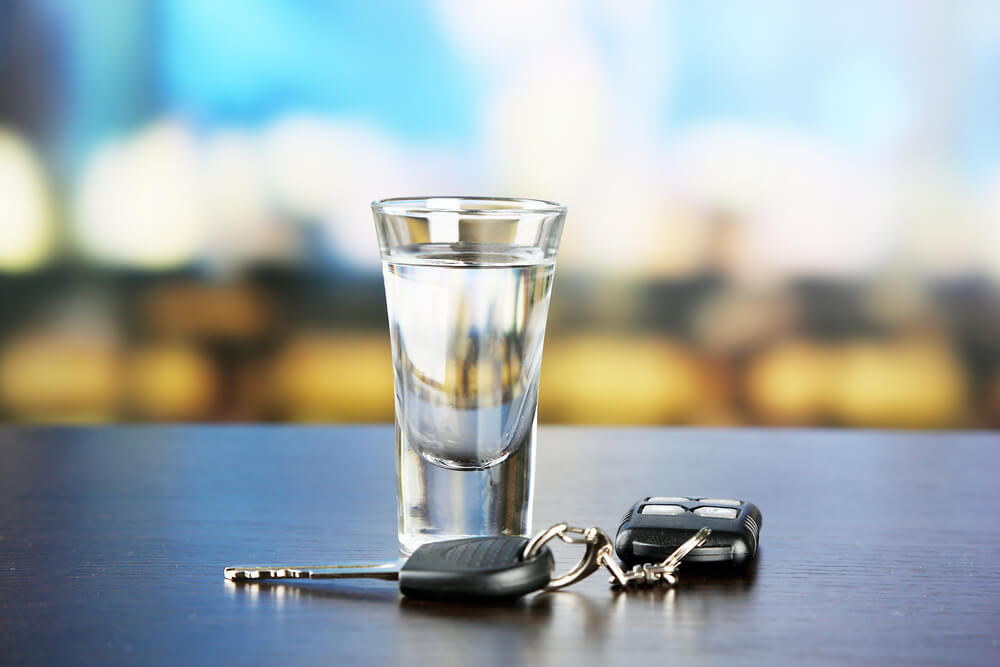
In this article, you’ll learn the legal alcohol limit for regular, commercial, and underage drivers in the State of Texas. We’ll discuss how police measure the amount of alcohol in your system, as well as an estimate of how much alcohol can be consumed to reach those limits.
As with most states in the union, in Texas, operating a vehicle with an alcohol concentration of 0.08+% in your blood is illegal. If a law enforcement officer catches you driving a car, truck, motorcycle, boat, or other heavy machinery with a blood alcohol level greater than 0.079%, you can be arrested for Driving While Intoxicated, which is a Class B misdemeanor that requires jail time and a temporary suspension of your driving privileges.
As you might imagine, the drunk driving laws are stiffer for commercial drivers. They are considered to be driving intoxicated with a blood alcohol content of 0.04+%. Furthermore, if someone with a CDL gets convicted of a DWI in their personal vehicle off-the-job, this can result in the Federal Motor Carrier Safety Administration suspending their commercial driving privileges as well as their regular driving privileges.
Texas does allow people under 21 to consume alcohol in the presence of their parents, but generally speaking, it’s illegal to consume alcohol if you’re underage. Because of this, there is zero tolerance for any alcohol consumption whatsoever for drivers under 21. To be clear, a blood alcohol level of 0.001% could theoretically lead to a DWI for a 20-year-old driver in Texas.
The police use two main methods for testing a driver’s blood alcohol content (BAC): breathalyzer and blood test. A breathalyzer device measures the alcohol content in the air exhaled by the driver, which correlates to the amount of alcohol in the driver’s bloodstream.
Breathalyzers give an estimate of the BAC and are less reliable. Blood tests are very accurate, but because they are invasive, the police should obtain a search warrant before administering a blood test to determine BAC. The police will often administer a breathalyzer test, and if the results indicate intoxication, they will use that as grounds to obtain the search warrant for the blood test.
Three different people can drink and eat the exact same thing over the course of an hour and end up with three very different BAC levels. Here are just a few variables that impact one’s blood alcohol level:
With all of these variables, it’s very difficult for a driver to truly know whether she or he is over 0.08%. We do not recommend relying on online BAC calculators and charts because there are simply too many variables to account for. We also do not recommend relying on the “one drink an hour” adage. Generally speaking, if you are slurring your speech, undergoing rapid mood swings, feeling sleepy or forgetful, wobbly/falling over, or making poor decisions, you should assume that you are too drunk to drive. It is always better to be safe than sorry.
You can still be arrested for DWI if your BAC is below the legal limit. Again, considering the myriad of variables affecting how alcohol impairs people, someone can be swerving all over the road, fail a field sobriety test, reek of alcohol, and still be below 0.08%. If this is the case, an arrest may well be warranted, and the charge can stick.
Were you arrested for a DWI? The Law Office of David D. White can help! We are passionate about defending you and protecting your rights. We are knowledgeable and experienced Austin, TX, criminal defense lawyers. Book a no-cost consultation with David or Kenneth now!
Have you ever heard someone say they are going to "press charges" against someone else? It's a phrase that we often come across in movies or TV shows, but what does it mean in the legal world? In this blog post, w...
Many people believe that public intoxication charges are not serious matters. While this is generally a misdemeanor charge under Texas law, there is still a possibility of lasting consequences, including having a ...
Many people who are charged with domestic violence, known in Texas as family violence, offenses can be relieved if they are able to get their criminal charges reduced to Class C misdemeanors that result only in fi...
608 West 12th Street, Suite B Austin, TX 78701
legalassistant@wm-attorneys.com 512-369-3737 get direction